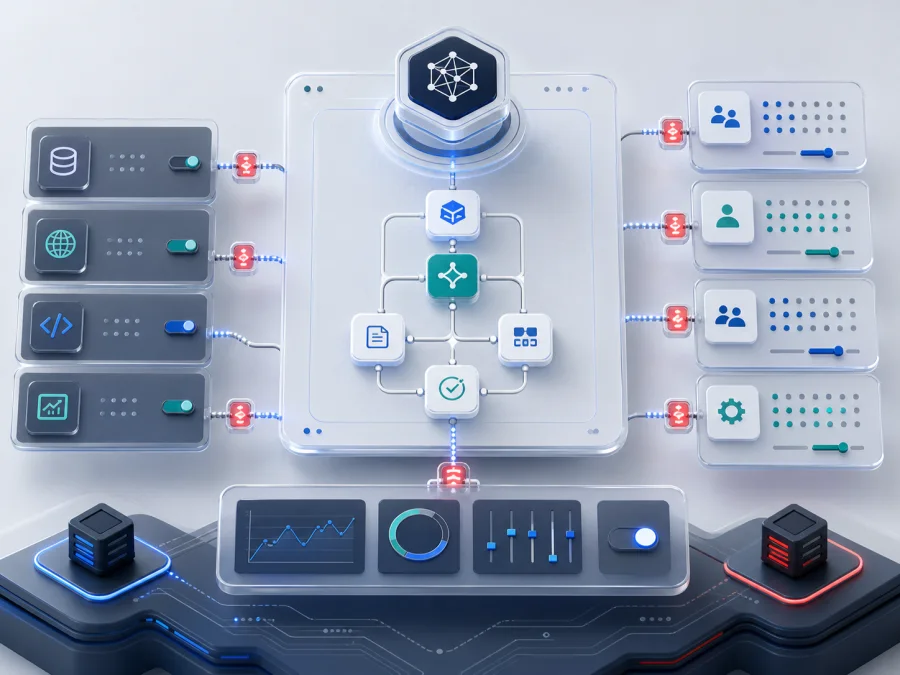
 Design and hardening
Secure AI Agent Build
Build agent workflows with scoped tools, approval gates, memory controls, logging, and prompt-injection resistant architecture.
For teams building production agents with tool access.
Typical sprint: 8 weeks
- Tool permission model
- Human approval paths
- Agent runtime controls
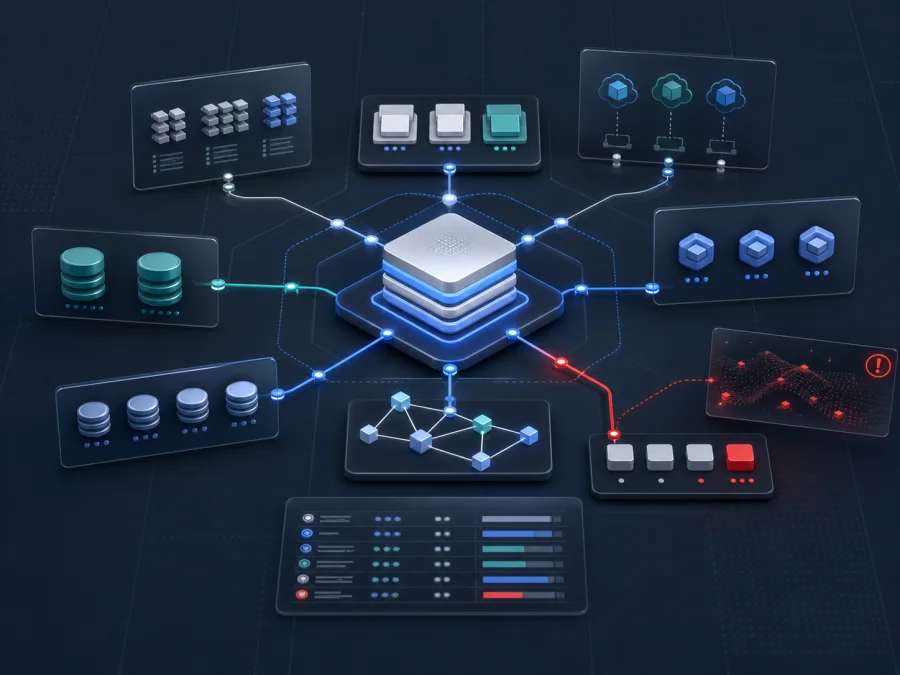 Inventory and exposure map
AI Agent SBOM and LLM Mapping
Document models, vendors, datasets, prompts, embeddings, plugins, APIs, and open-source dependencies so AI risk is visible.
For founders, CTOs, and compliance teams preparing AI controls.
Typical sprint: 1 day
- Model/vendor register
- AI SBOM
- LLM data-flow map
 Promptfoo, Garak, and adversarial tests
AI Red Teaming
Run structured tests for prompt injection, jailbreaks, data leakage, tool misuse, retrieval abuse, and unsafe outputs.
For AI products nearing launch, audit, or enterprise review.
Typical sprint: 1 week
- Promptfoo suites
- Garak scans
- Fix-prioritized report