Threat notes stay tied to cited public sources, visible context, and analyst-style interpretation instead of unsupported claims.
AI agent security engineering
We secure your AI Agents before they create chaos
CyberSE helps teams design, map, test, and harden AI agents, LLM stacks, model dependencies, and tool-connected workflows before they reach production.
How We Work
From messy AI adoption to controlled AI systems
We keep the engagement practical: identify the agent surface, map models and dependencies, test failure modes, then harden the system with clear controls.
01Discover agents, tools, prompts, models, and data flows
02Map LLM vendors, datasets, APIs, embeddings, and dependencies
03Test with Promptfoo, Garak, prompt injection, and tool-misuse cases
04Deliver fixes, guardrails, approval paths, and operating guidance
Sample Findings
Typical issues found during AI security reviews
Representative findings CyberSE reviews look for when assessing agentic systems.
Prompt injection bypass
Critical
Unsafe instruction handling in external content or retrieval flows.
Agent tool over-permissioning
High
Agents can invoke write actions without scoped approvals.
Sensitive RAG data exposure
High
Embeddings or retrieval contexts expose customer or internal data.
Missing approval workflow
Medium
Human review is absent for high-impact AI-triggered actions.
Cross-tenant memory leakage
Critical
Conversation or agent memory can cross customer boundaries.
Operating Intelligence
How CyberSE turns AI security signals into action
Signals are useful only when they become decisions. CyberSE frames AI security news, assessment results, and red-team findings around the controls teams can actually ship.
We map prompts, tools, APIs, models, memory, data flows, and approval paths so risks are connected to real AI architecture.
Recommendations focus on permissions, human gates, logging, prompt-injection tests, SBOM records, and remediation tickets.
Core Offerings
View Services
Security engineering for AI agents and LLM systems
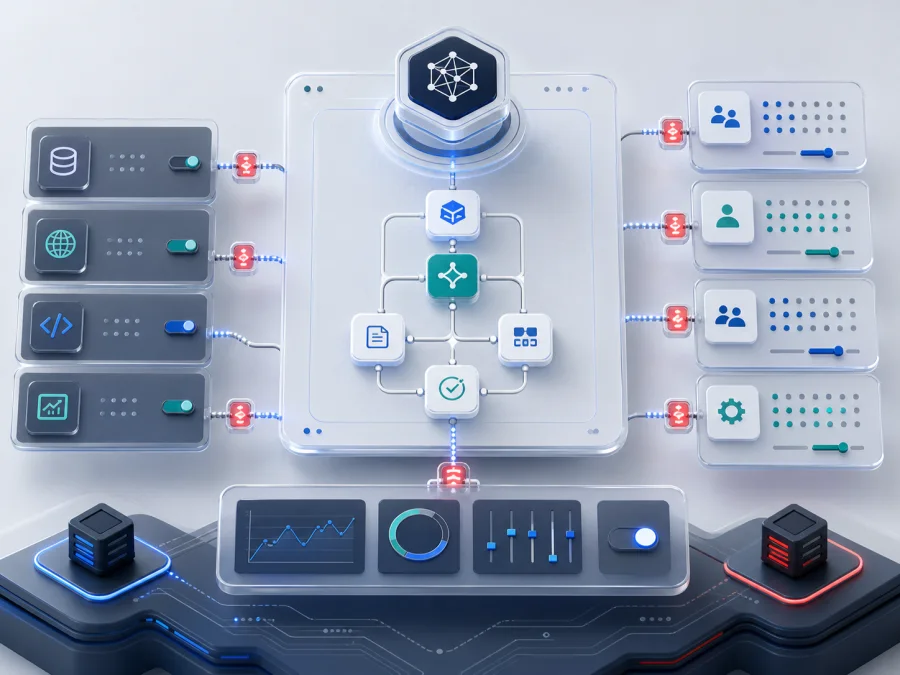 Design and hardening
Secure AI Agent Build
Build agent workflows with scoped tools, approval gates, memory controls, logging, and prompt-injection resistant architecture.
For teams building production agents with tool access.
Typical sprint: 8 weeks
- Tool permission model
- Human approval paths
- Agent runtime controls
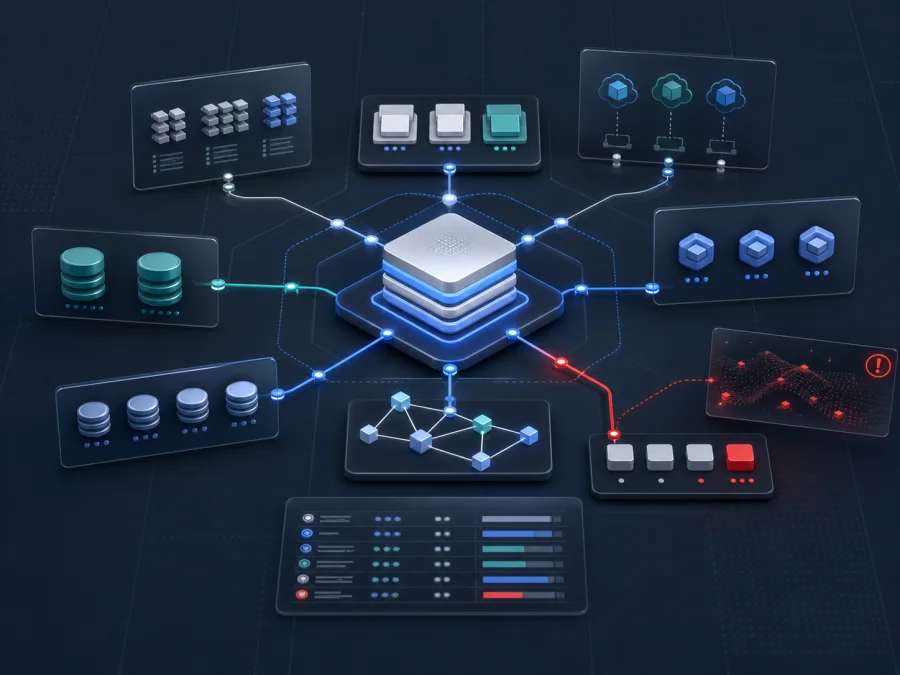 Inventory and exposure map
AI Agent SBOM and LLM Mapping
Document models, vendors, datasets, prompts, embeddings, plugins, APIs, and open-source dependencies so AI risk is visible.
For founders, CTOs, and compliance teams preparing AI controls.
Typical sprint: 1 day
- Model/vendor register
- AI SBOM
- LLM data-flow map
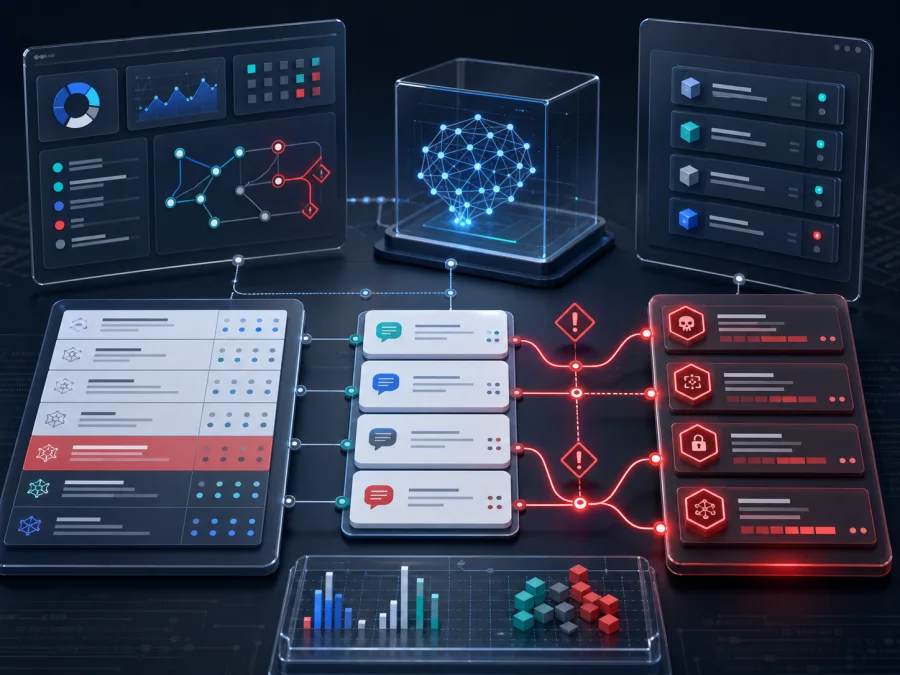 Promptfoo, Garak, and adversarial tests
AI Red Teaming
Run structured tests for prompt injection, jailbreaks, data leakage, tool misuse, retrieval abuse, and unsafe outputs.
For AI products nearing launch, audit, or enterprise review.
Typical sprint: 1 week
- Promptfoo suites
- Garak scans
- Fix-prioritized report
Useful Tools
Start with a focused next step
AI Security Readiness Assessment
Takes about 3 minutes. No signup required. Get prioritized AI risk recommendations and mapped next steps.
Run AssessmentAI Policy Generator
Draft practical AI use, vendor, data handling, and agent-control policy language.
Launch GeneratorAI Security Companion
Ask the connected vCISO chatbot about prompt injection, SBOMs, LLM controls, and AI risk decisions.
Open Companion